Plant Prefab
Carbon-neutral factory. Architect-designed LivingHomes.
Plant Prefab (formerly Plant Construction) is an Arvin, California-based offsite construction company building panelized and modular components for residential and hospitality projects. Plant Prefab is the manufacturer behind LivingHomes — the architect-designed prefab brand originally founded in 2006 by Steve Glenn and now fully operated under the Plant Prefab umbrella. Carbon-neutral since 2020, they partner with leading architects including Ray Kappe and Koto Design to produce LEED Platinum-rated homes in half the time of site-built construction. Amazon-backed and award-winning. If you are searching for LivingHomes, this is the right page.
Company profile
Location: Arvin, California. Home types: Modular, Panelized, Luxury, Sustainable. Build method: Panelized and modular components — offsite factory construction.
Published delivery framing: Regional. Primary delivery in Western United States from California factory. Custom projects delivered nationally for large-scale developments.
Published delivery scope: Quote-specific scope. Scope is quote-specific. Confirm freight, setting, foundation, utilities, permits, assembly, and finishes in the written contract.
Visit the official Plant Prefab website · Check listed U.S. delivery coverage · Build a buyer question checklist
Listed U.S. delivery states
Listed coverage is a research starting point, not confirmation for a specific address, route, site, code path, crane plan, installation scope, or final price.
Published regulatory framing
- Code path: verify
These labels describe the published product and regulatory framing in the profile. Confirm the exact model configuration and local approval path with the provider and local authority.
Reported certifications
- LEED Platinum
- Energy Star
- NAHB Energy Value Housing Gold
Key strengths and buyer diligence
- Carbon-neutral operations since 2020
- LEED Platinum rated homes
- Amazon-backed
- AIA Top Ten Green Projects
- Partners with world-class architects
A buyer should obtain a written, model-specific proposal that identifies what the stated factory or plan price includes and excludes. Confirm delivery, transport access, setting, foundation, utilities, permits, local completion, warranty, and aftercare before comparing total project cost.
How to use this profile
This profile presents Plant Prefab as a research starting point for modular, panelized, luxury, sustainable buyers. It combines the provider's published location, build method, delivery framing, named-model records, and any cited independent tours in one place so that a buyer can see both the useful details and the questions that remain.
For this provider, begin by choosing the specific model or program that fits your intended use, then compare its written factory or plan scope against the site work and local services your project will need. Ask who owns responsibility for engineering, permits, foundation, transport, setting, utilities, final completion, warranty response, and support after handoff. A listing or state chip is never an address-specific commitment.
Keep the provider's written answer with the proposal. It makes it easier to compare Plant Prefab with other builders on scope and responsibility rather than a headline number alone.
Named models
Each listed model has a separate source record. An image is displayed only when its provider or tour context identifies the same model; otherwise the model remains a factual card.
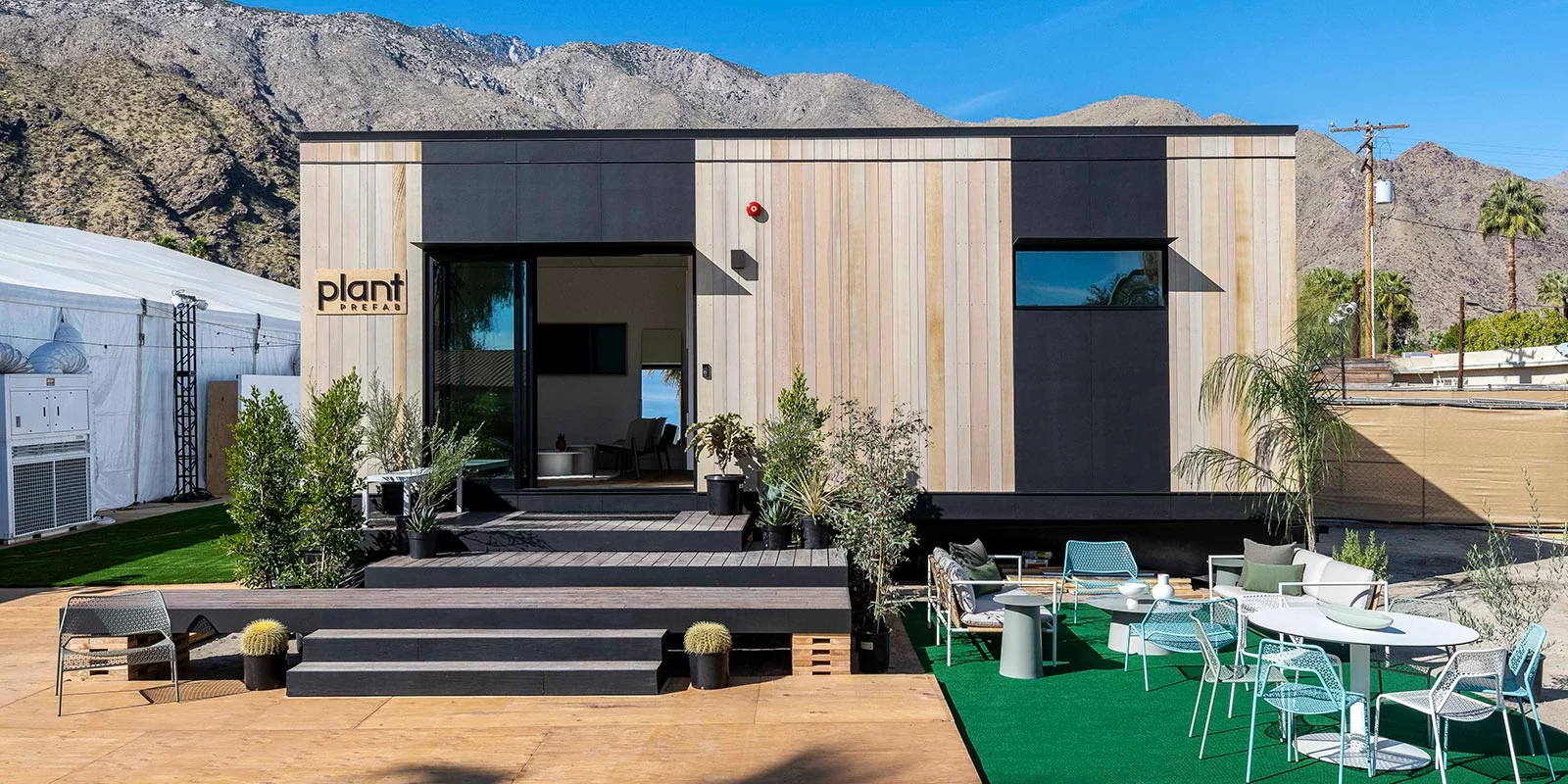 LivingHome 10 — 496 sq. ft. — Hard costs: $650-800+ per sq. ft. · Official source
A 496 sq ft, one-bedroom, one-bath LivingHome ADU. Plant Prefab publishes hard costs of $650–800+ per sq ft, including factory fabrication, transport, installation, and site work; soft costs vary.
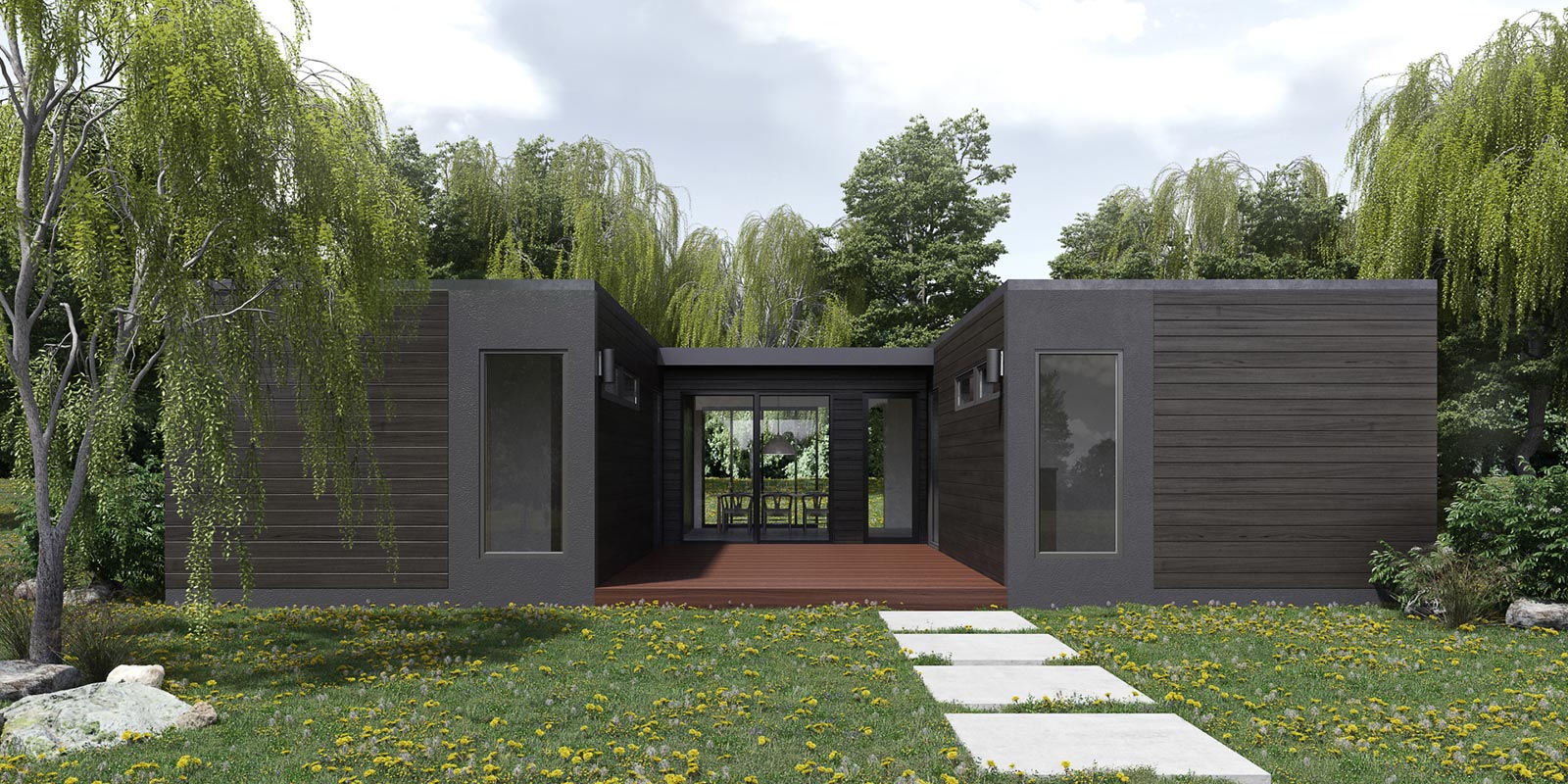 LivingHome 6 Series — 958-1288 sq. ft. — Hard costs: $550-600+ per sq. ft. (includes factory fabrication, transport, install, and site work) · Official source
The LivingHome 6 Series lists 958–1,288 sq ft across four layouts, with two to three bedrooms and one to two bathrooms. Plant Prefab publishes $550–600+ per sq ft hard costs and variable soft costs rather than a fixed model price.
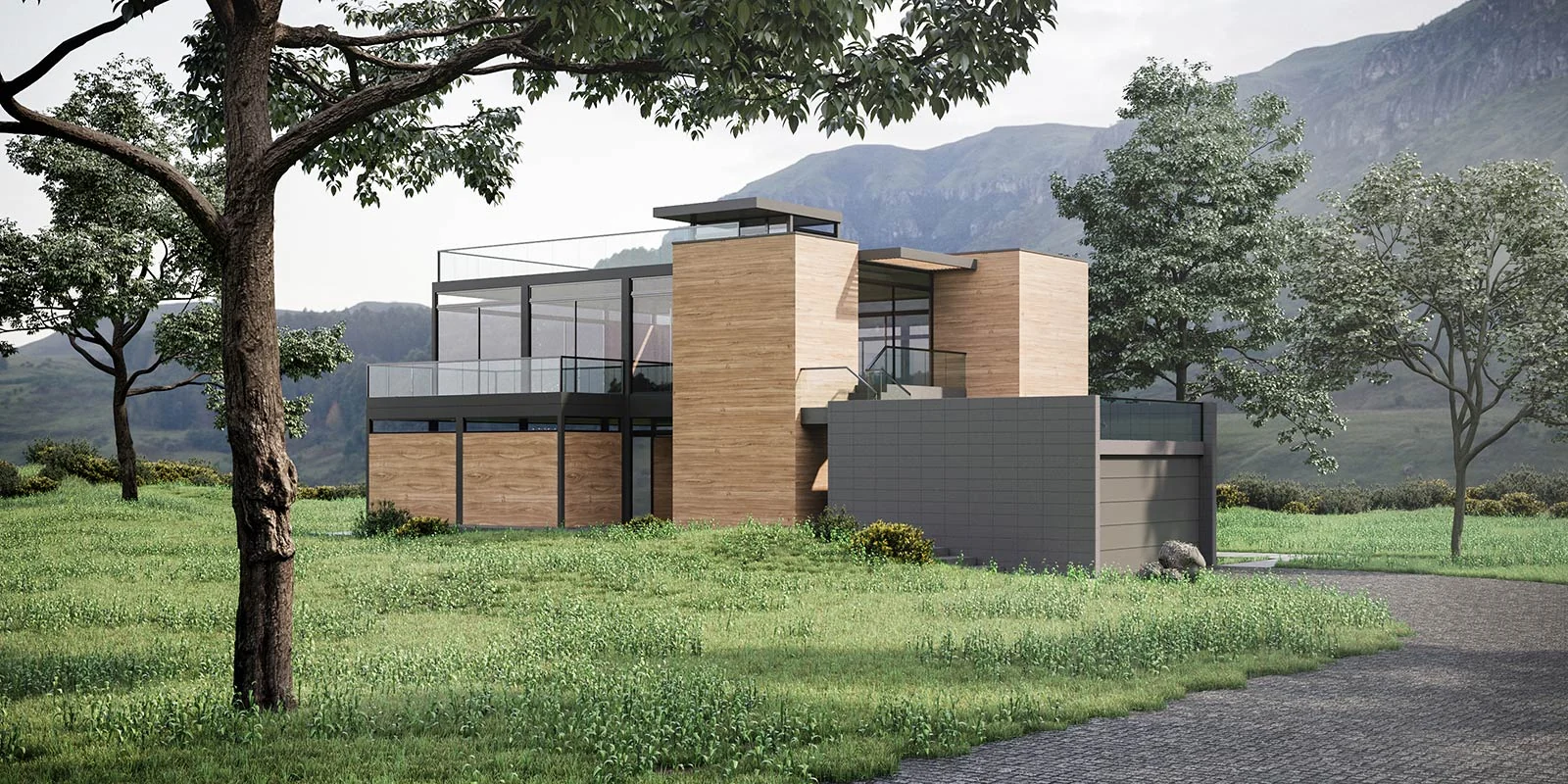 Ray Kappe LivingHome 1 — 3,100 sq. ft. — Hard costs: $600-700+ per sq. ft. (plus variable soft costs) · Official source
A 3,100 sq ft Ray Kappe LivingHome with five bedrooms and 3.5 bathrooms. Plant Prefab publishes $600–700+ per sq ft hard costs and variable soft costs rather than a fixed model price.
Related U.S. builders
These profiles share listed delivery states, home types, or delivery framing. They are research links, not endorsements or address-specific availability promises.
- Alchemy Architects — Architect-designed weeHouse prefabs — simple, joyful, built anywhere
- Stillwater Dwellings — Modern luxury prefab homes built sustainably, delivered nationwide
- Autovol — Automated volumetric modular — America's top multifamily modular producer
- Cavco Homes — Quality manufactured and modular homes across the Southwest